How to buy a classic car you haven't seen in person
Most of our buyers live out of state. Here are the questions to ask, the documents to request and how to arrange an independent inspection before you commit.
, by Dana Whitcomb, sales
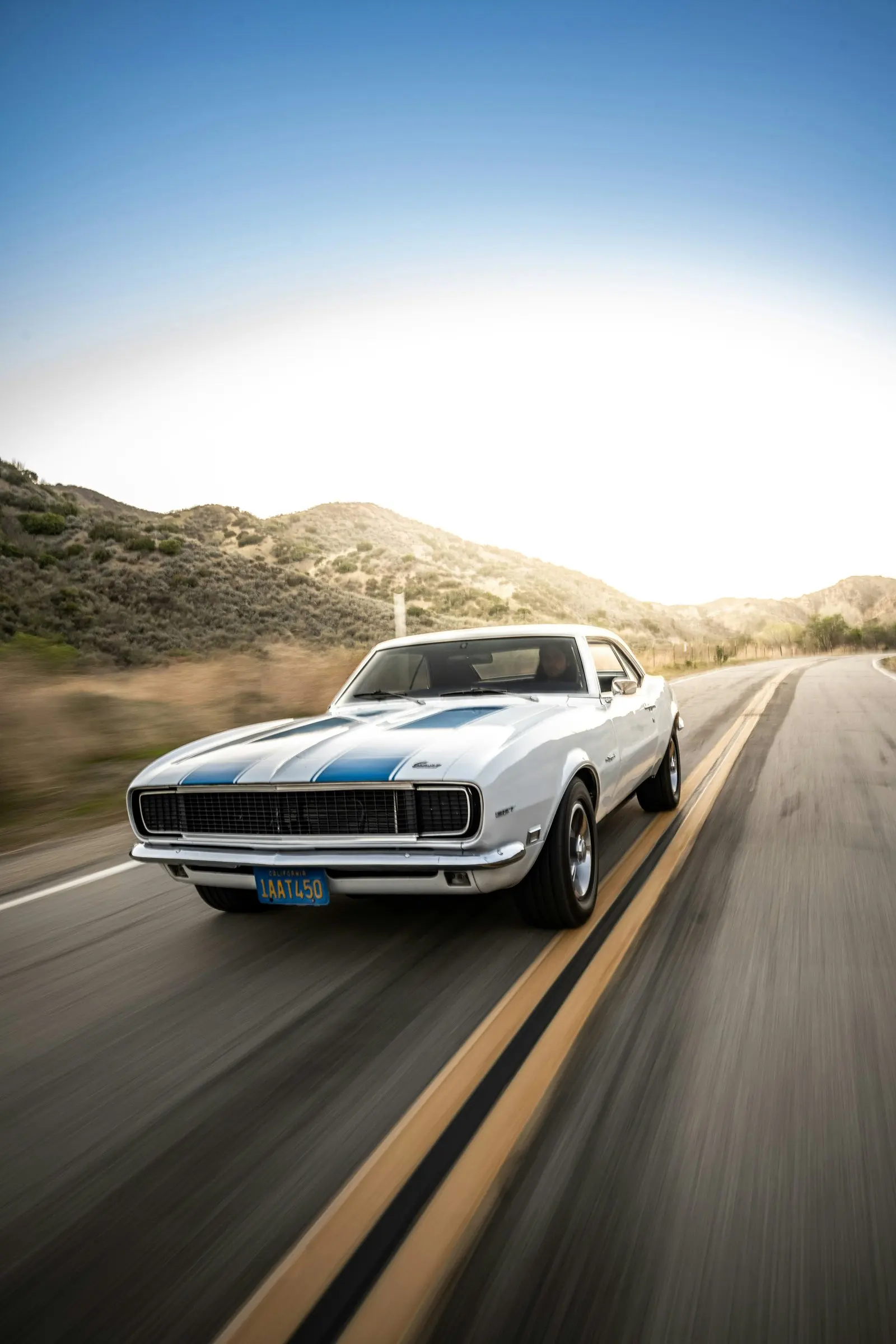
More than half the cars we sell go to buyers who never visit the showroom. That works well when the buyer asks good questions and the seller answers them in writing. Here’s what we suggest.
Ask for the condition report first, then the photos
Photos show what a seller wants you to see. A written condition report, area by area, tells you what they know. Ask for one that covers body, paint, interior, mechanical and underside, with honest grades. Every car on our site has one on its page.
Request a cold-start video
A cold start shows how an engine behaves before it has warmed up and settled. Ask for a video that starts with the hood open and the engine cold, and keep it running until the temperature gauge moves. We record these on request, usually the same day.
Know which documents matter for the car you want
For a muscle car, the build sheet, fender tag or Marti Report confirms what the car left the factory with. For a European car, factory certification and service history count for more. A clear title in the seller’s name matters for every car.
Arrange an independent inspection
A pre-purchase inspection from a specialist who doesn’t work for the seller costs a few hundred dollars and is worth much more. We’ll make the car available to any inspector you choose, give them a lift and set aside time for a test drive.
Plan enclosed transport
Open carriers are cheaper, but a classic car is better off enclosed. We work with three carriers who handle collector cars and can arrange pickup within a week of payment clearing.
If you’d like to talk through any of this for a specific car, call us or send a question from the car’s page.