What “very good” means on our condition reports
How we grade body, paint, interior, mechanical and underside, and why we'd rather undersell a car than oversell it.
, by Marcus Reyes, inspections
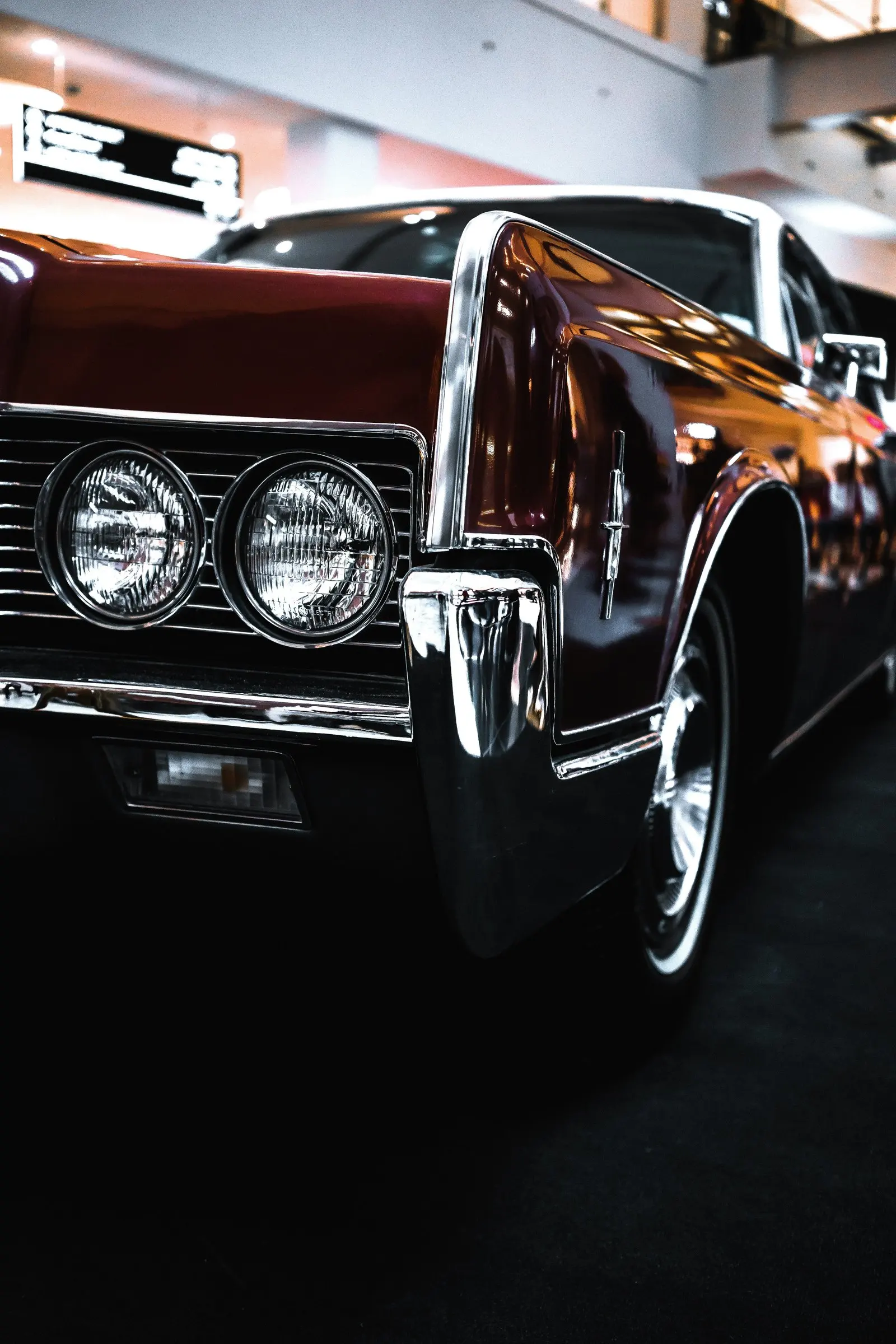
Condition grades only help if everyone means the same thing by them. Here is how we use ours.
Excellent
As good as a car of this age reasonably gets. Faults are cosmetic, minor and something you’d need to look for. Most restored cars aren’t excellent in every area, and we don’t grade them that way.
Very good
Well kept and well presented, with small, noted flaws. You’d be proud to take it to a show; a judge would find a few things. This is where most of our cars sit in most areas.
Good
Sound and usable, with visible wear or older work. Nothing that stops you driving it and enjoying it, but things you may want to improve over time.
Fair
Needs attention. We say exactly what, and we price the car to match.
Why we grade each area separately
A car can have excellent mechanicals and good paint, and a single overall grade hides that. Splitting it into five areas lets you decide what matters to you. If you plan to drive it, the mechanical grade comes first. If you plan to show it, paint and body matter most.
What we always include
Every note names the specific flaw and where it is. If we’ve repaired something, we say so. If we used a paint gauge, we give the reading. When we’re not sure about something, we write “believed” rather than “confirmed.”