Matching numbers, explained
What “matching numbers” really means, which documents prove it and how much it should affect the price you pay.
, by Dana Whitcomb, sales
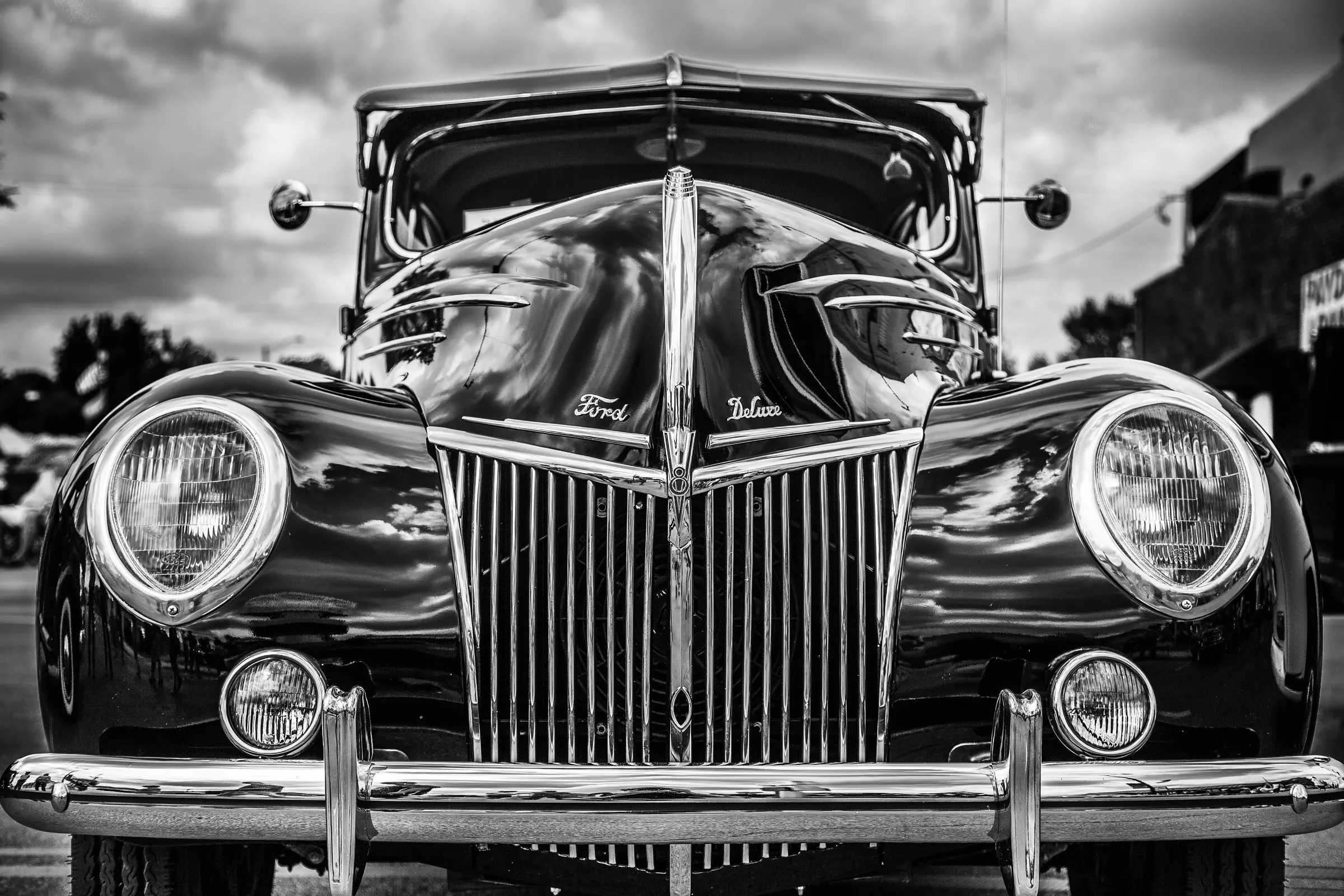
“Matching numbers” is one of the most-used phrases in collector car listings and one of the least explained. Here’s what it means when we use it.
The short version
A matching-numbers car still has the engine (and usually the transmission and rear axle) it was built with. The proof is a set of stamped codes that tie each part back to the car’s VIN and build date.
What gets checked
On most American cars from the 1960s and 1970s, the engine block carries a partial VIN stamp and a date code. The transmission and rear axle have their own codes. We compare those codes against the car’s VIN and against factory documents such as a build sheet, fender tag or Marti Report.
When it matters
For high-performance cars, such as a 440 Charger R/T or a 429 Cobra Jet Torino, matching numbers can account for a significant share of the value, because the original drivetrain is what made the car special. For cars bought mainly to drive, a correct replacement engine can be the better choice, and it should cost you less.
What we promise
If we say a car is matching numbers, we’ve seen the stamps and photographed them, and the photos are available on request. If we can’t confirm it, we say “believed original” and explain why.